Table of contents
What truly makes a horror game send shivers down your spine? The answer is not as simple as jump scares or eerie soundtracks. The following sections explore the critical elements that combine to create unforgettable, bone-chilling experiences. Dive deeper to uncover what separates a genuinely terrifying horror game from the rest, and learn how these components come together for maximum fear.
Atmosphere and Environmental Design
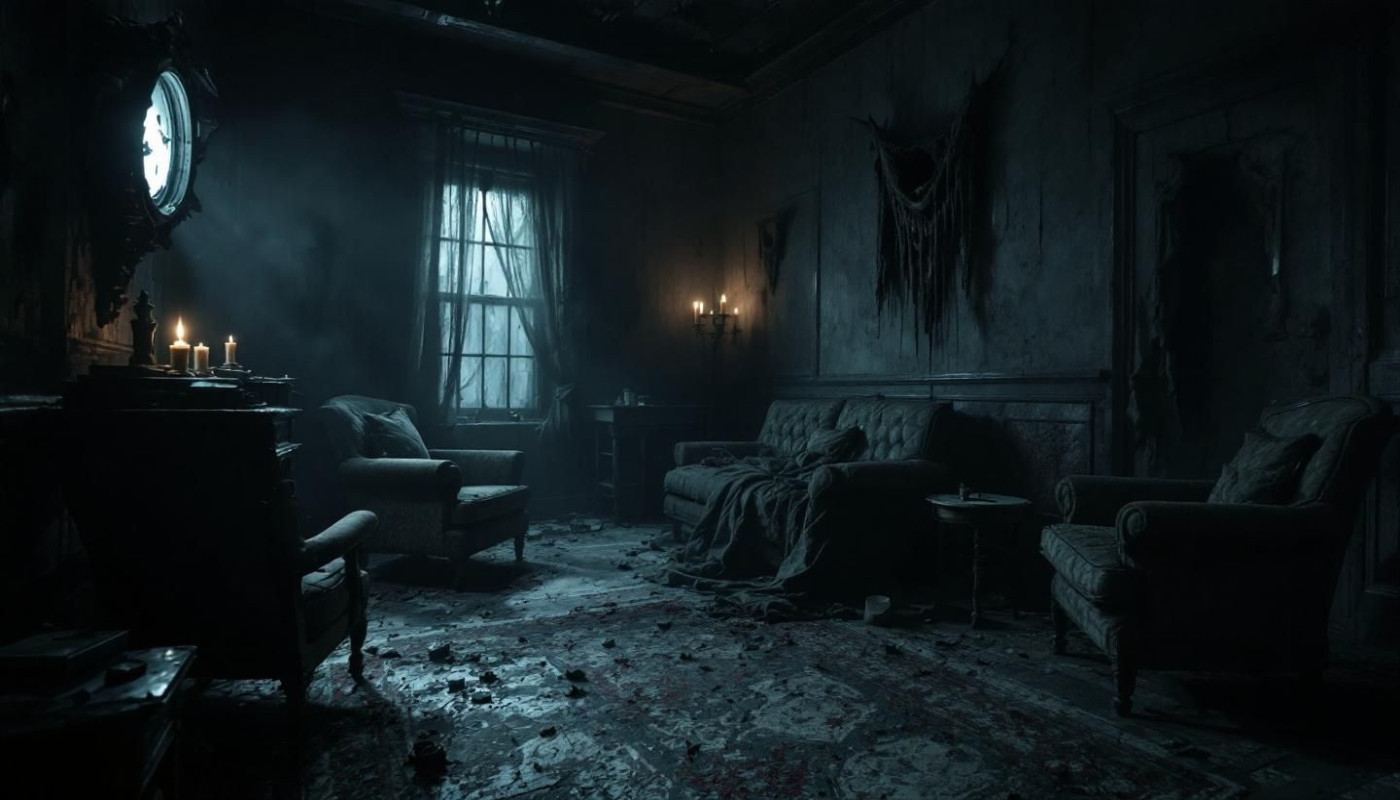
Crafting a horror game atmosphere that truly unsettles relies on the interplay of mood, lighting effects, and soundscapes to keep players immersed in an immersive environment of psychological dread. Subtle environmental storytelling is woven throughout every shadowed corridor and dilapidated room, guiding players through narrative cues without direct exposition. By manipulating light and darkness, designers heighten suspenseful design, forcing players to question what lurks beyond the visible. Unexpected audio cues—echoing footsteps, distant whispers, or the unsettling creak of doors—intensify tension, ensuring the sense of unease never dissipates. Through these techniques, the boundaries between reality and the nightmarish setting blur, trapping the player in a constant state of anticipation and fear.
Senior game designers and creative directors understand that every texture, ambient noise, and shifting shadow contributes to a cohesive world where immersion is total. Carefully orchestrated lighting effects can make familiar spaces suddenly threatening, while an immersive environment draws upon the player’s imagination, deepening psychological dread. This disciplined approach to suspenseful design means even the smallest visual or auditory detail can become a source of terror, leveraging environmental storytelling to deliver persistent chills long after the game session ends. The result is a world that is not only visually striking but also emotionally gripping, compelling players to confront their fears in a setting that feels hauntingly real.
Sound and audio cues
Sound is a potent force in horror game sound design, manipulating player emotions and amplifying tension in ways that visuals alone cannot achieve. An experienced audio director crafts an unsettling audio experience by blending eerie soundtrack elements with diegetic sound—noises that originate from within the game world, such as creaking floorboards or distant whispers. Silence itself is a tool; moments of quiet can lure players into a false sense of security, making jump scares and sudden noises much more impactful when they break the hush. The careful pacing of these audio cues keeps anticipation high, allowing each footstep, breath, or distorted melody to escalate anxiety and immerse the player more deeply in the horror setting.
Audio immersion is essential for evoking genuine fear in Video Games, as it draws players into the narrative and manipulates their reactions with precision. Horror game sound design leverages an eerie soundtrack to establish an oppressive atmosphere that lingers throughout gameplay. The unpredictability of when unsettling audio will occur creates a continuous sense of dread, keeping players on edge and enhancing the psychological aspects of fear. By integrating diegetic sound with carefully timed audio cues, sound designers ensure that every auditory detail contributes to the relentless tension that defines the most terrifying horror games. For more insight into gaming audio techniques, visit Video Games.
Psychological Manipulation Techniques
Psychological horror games achieve their chilling impact by expertly leveraging psychological manipulation, targeting the player's deeper fears and subverting expectations. Techniques such as unreliable narration leave players questioning reality, as shifting storylines and deceptive characters challenge their perception of the game's world. Hallucinations and auditory distortions can blur the line between what is real and imagined, crafting an atmosphere where nothing feels safe. Mind games become a tool for fear manipulation—altering the environment, spawning impossible events, or even breaking the fourth wall to immerse the player in uncertainty. Horror immersion reaches new heights when players find themselves drawn into scenarios that exploit their vulnerabilities, keeping them on edge. Veteran narrative designers often employ ludonarrative dissonance, intentionally creating a disconnect between gameplay and story, intensifying discomfort and unease. This calculated interplay between mechanics and narrative keeps players engaged, heightening tension and making every moment uncertain in psychological horror experiences.
Effective Enemy Design
A key factor in horror enemy design lies in crafting terrifying monsters that leave a lasting impact on players, not only through appearance but also through unpredictable threats and distinctive enemy behavior. Successful games often employ original visual concepts that break away from clichés, ensuring each creature is instantly memorable while invoking a strong fear response. The unpredictability of an enemy’s actions, enabled by advanced AI behavior scripting, elevates tension by making encounters feel uncertain and dangerous, preventing players from feeling safe even in familiar environments. In horror, the best designs come from lead creature designers who understand the psychological roots of fear, using subtle animation, disturbing silhouettes, and erratic movement patterns to keep players guessing about their next move. By blending detailed visual elements with complex behavioral algorithms, these monsters become more than just obstacles—they become the embodiment of the unknown, enhancing immersion and dread throughout the gameplay experience.
Pacing and Player Vulnerability
Horror game pacing is meticulously crafted to maintain a steady sense of unease, using alternating periods of calm and chaos to keep players in a constant state of anticipation. By manipulating the rhythm of gameplay, designers amplify tension building, ensuring that moments of brief safety are inevitably shattered by sudden threats. This ebb and flow is not arbitrary; it is a calculated approach where the risk-reward balance becomes a core mechanic, urging players to weigh their actions carefully. When players explore dark corridors or manage dwindling resources, they are fully aware that any respite can be disrupted by unpredictable danger, making every decision consequential.
Player vulnerability lies at the heart of survival horror, as limited means of defense and scarce supplies force individuals to confront their fear escalation. The experience is heightened when players realize that escape or survival may depend more on wit than weaponry, further intensifying their anxiety. A well-designed game will ensure that the player is never too comfortable, maintaining a fragile sense of security that is regularly threatened. This delicate balance between safety and peril sustains engagement, ensuring that the horror is not just seen but genuinely felt, anchoring the game's impact long after the screen goes dark.
Similar articles